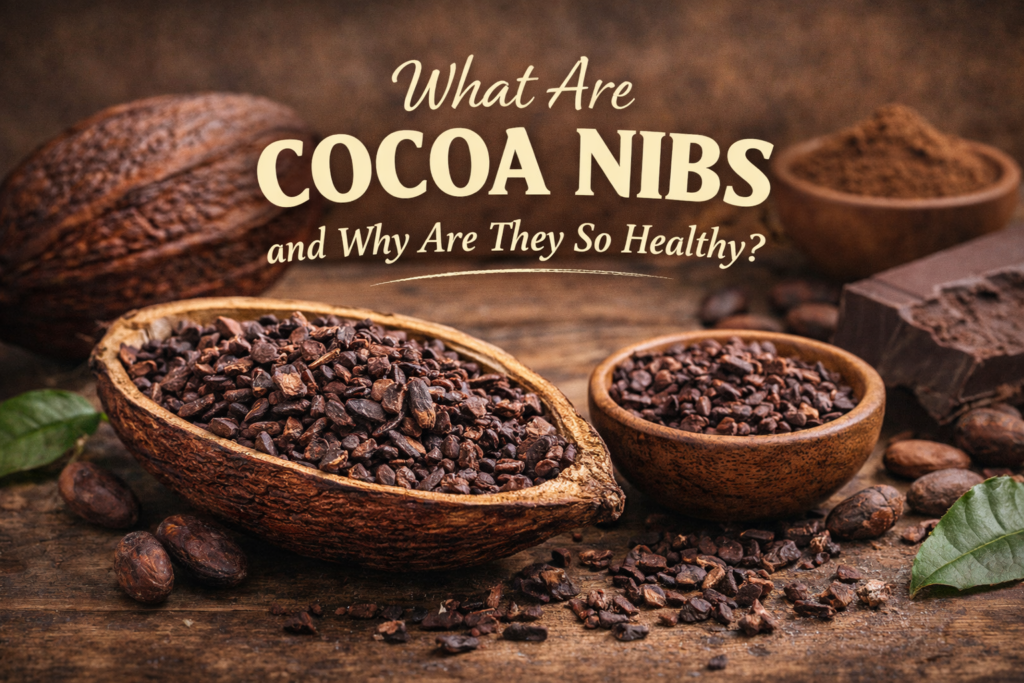
People today are not just looking for something sweet, they want food that fuels their body and delights their senses. Among the most exciting discoveries in this journey toward healthier indulgence are cocoa nibs. At Konsonetas, we are passionate about bringing you the purest, most natural forms of chocolate, and cocoa nibs stand out as a powerhouse of flavor and nourishment that can transform the way you experience chocolate.
This guide explains what cocoa nibs are, how they are made, their nutritional profile, and why they are considered one of the healthiest chocolate ingredients in the world.
What Are Cocoa Nibs?
Cocoa nibs are small pieces of crushed cacao beans. They come directly from the cacao tree and are minimally processed, which means they retain most of their natural nutrients. Unlike chocolate bars or cocoa powder that may contain sugar, milk solids, or additives, cocoa nibs are 100 percent pure cacao.
The journey starts with cacao pods harvested from cacao trees. Inside these pods are cacao beans, surrounded by a sweet pulp. After harvesting, the beans are fermented and dried to develop their characteristic chocolate flavor. Once dried, the beans are cracked open and the outer shells are removed. What remains are the cocoa nibs.
At Konsonetas, we focus on quality sourcing to ensure our cocoa nibs maintain their natural aroma, rich texture, and nutritional integrity.
Cocoa Nibs vs Chocolate: Understanding the Difference
Many people assume cocoa nibs are simply another form of chocolate, but there is a significant difference. Chocolate products often go through extensive processing, including roasting, grinding, and the addition of sugar, cocoa butter, and emulsifiers. While chocolate can still offer benefits, it is often high in calories and sugar.
Cocoa nibs, on the other hand, are unsweetened and unprocessed. They deliver a bold, slightly bitter chocolate flavor and a crunchy texture. This makes them ideal for people who want the health benefits of cacao without the drawbacks of refined sugar.
Nutritional Profile of Cocoa Nibs
Cocoa nibs are small, but their nutritional value is impressive. They are packed with essential nutrients that support overall wellness.
Rich in Antioxidants
Cocoa nibs are one of the richest natural sources of antioxidants, particularly flavonoids. These compounds help neutralize free radicals in the body, reducing oxidative stress and supporting long term health. Diets high in antioxidants are linked to better heart health and reduced inflammation.
High in Plant Based Minerals
Cocoa nibs contain important minerals such as magnesium, iron, zinc, and potassium. Magnesium supports muscle and nerve function, iron helps with oxygen transport in the blood, and zinc contributes to immune system strength. This mineral density makes cocoa nibs a valuable addition to a balanced diet.
Natural Source of Healthy Fats
The fats found in cocoa nibs come mainly from cocoa butter, which contains beneficial fatty acids like oleic acid. These fats help provide sustained energy and support brain health when consumed in moderation.
Low in Sugar and Carbohydrates
One of the biggest advantages of cocoa nibs is that they are naturally low in sugar. This makes them suitable for people following low sugar, keto friendly, or diabetic conscious diets, depending on individual nutritional needs.
Why Are Cocoa Nibs Considered So Healthy?
Cocoa nibs are often classified as a superfood, and for good reason. Their health benefits go beyond basic nutrition.
Supports Heart Health
The flavonoids in cocoa nibs may help improve blood circulation and support healthy blood pressure levels. Regular intake of flavonoid rich foods is associated with better cardiovascular health.
Boosts Mood and Mental Focus
Cocoa nibs contain natural compounds like theobromine and small amounts of caffeine. These substances provide a gentle energy boost without the crash associated with coffee. Cocoa nibs are also known to stimulate the release of endorphins and serotonin, which may help improve mood and mental clarity.
Aids in Weight Management
Due to their fiber and healthy fat content, cocoa nibs can help promote satiety. Adding a small amount to meals or snacks may reduce unnecessary cravings and support mindful eating habits.
Supports Gut Health
Cocoa nibs contain dietary fiber, which plays a role in digestive health. Fiber supports beneficial gut bacteria and contributes to a healthy digestive system.
How to Use Cocoa Nibs in Your Daily Diet
One of the best things about cocoa nibs is their versatility. Their crunchy texture and deep chocolate flavor make them easy to incorporate into everyday meals.
You can sprinkle cocoa nibs over smoothies, yogurt, oatmeal, or smoothie bowls. They work well in baking, especially in cookies, brownies, and granola bars, where they add texture without extra sweetness. Cocoa nibs can also be used in savory dishes, such as salads or spice rubs, for a unique flavor twist.
At Konsonetas, we often recommend starting with small quantities and gradually increasing based on taste preference.
Are Cocoa Nibs Suitable for Everyone?
Cocoa nibs are generally safe for most people when consumed in moderation. However, due to their natural caffeine and theobromine content, individuals sensitive to stimulants should be mindful of portion sizes. Pregnant or breastfeeding individuals should consult a healthcare professional before making significant dietary changes.
Choosing high quality, responsibly sourced cocoa nibs is also important. Poor quality products may lack flavor and nutritional value.
Why Choose Konsonetas Cocoa Nibs?
At Konsonetas, quality and transparency are at the core of everything we do. Our cocoa nibs are sourced with care, minimally processed, and crafted to preserve the natural goodness of cacao. We believe that real health benefits come from real ingredients, not shortcuts or artificial enhancements.
By choosing Konsonetas cocoa nibs, you are not just adding a healthy ingredient to your kitchen, but also supporting ethical sourcing and premium quality standards.
Final Thoughts
Cocoa nibs are a powerful reminder that healthy food does not have to be boring or overly processed. They offer the pure essence of chocolate, packed with antioxidants, minerals, and natural energy boosting compounds. Whether you are focused on heart health, mental clarity, or simply clean eating, cocoa nibs can be a smart addition to your daily routine.
As interest in natural superfoods continues to rise, cocoa nibs stand out as a timeless, nutrient rich option. With Konsonetas, you can experience cocoa in its most authentic and health focused form.
Frequently Asked Questions About Cocoa Nibs
1. Are cocoa nibs the same as cacao nibs?
Yes, cocoa nibs and cacao nibs generally refer to the same product. Both are made from crushed cacao beans. The term cacao is often used to emphasize minimal processing, while cocoa is more commonly used in consumer markets.
2. Do cocoa nibs contain caffeine?
Cocoa nibs naturally contain small amounts of caffeine and theobromine. The effect is mild and provides gentle energy without the strong stimulation or crash associated with coffee.
3. Can cocoa nibs help with weight loss?
Cocoa nibs may support weight management when included in a balanced diet. Their fiber and healthy fats help promote fullness, which can reduce unhealthy snacking and overeating.
4. Are cocoa nibs safe for diabetics?
Cocoa nibs are naturally low in sugar and may be suitable for people managing blood sugar levels. However, portion control is important, and it is always best to consult a healthcare professional for personalized advice.
5. How much cocoa nibs should be consumed daily?
A common recommendation is one to two tablespoons per day. This amount allows you to enjoy the nutritional benefits without excessive intake of stimulants.
6. Do cocoa nibs taste bitter?
Cocoa nibs have a strong, slightly bitter chocolate flavor. They are not sweet like chocolate bars, which makes them ideal for people who enjoy rich, intense cocoa taste or want to avoid added sugar.
7. How should cocoa nibs be stored?
Cocoa nibs should be stored in an airtight container in a cool, dry place. Proper storage helps maintain their flavor, texture, and nutritional quality over time.