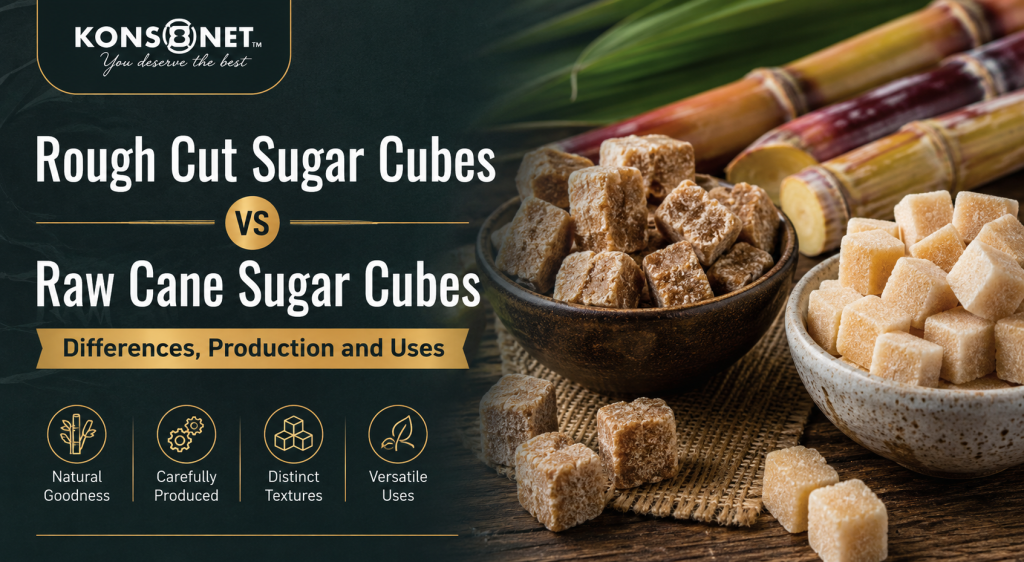
Rough Cut Sugar Cubes vs Raw Cane Sugar Cubes Differences, Production and Uses

Rough Cut Sugar Cubes vs Raw Cane Sugar Cubes: Differences, Production and Uses

Sugar cubes are a convenient way to sweeten beverages, but not all sugar cubes have the same appearance, texture or production characteristics. Some are made from refined white sugar, while others retain more of the natural colour and flavour associated with less-refined cane sugar. Rough cut sugar cubes and raw cane sugar cubes are two

Rough Cut Sugar Cubes vs Raw Cane Sugar Cubes: Differences, Production and Uses Read More »
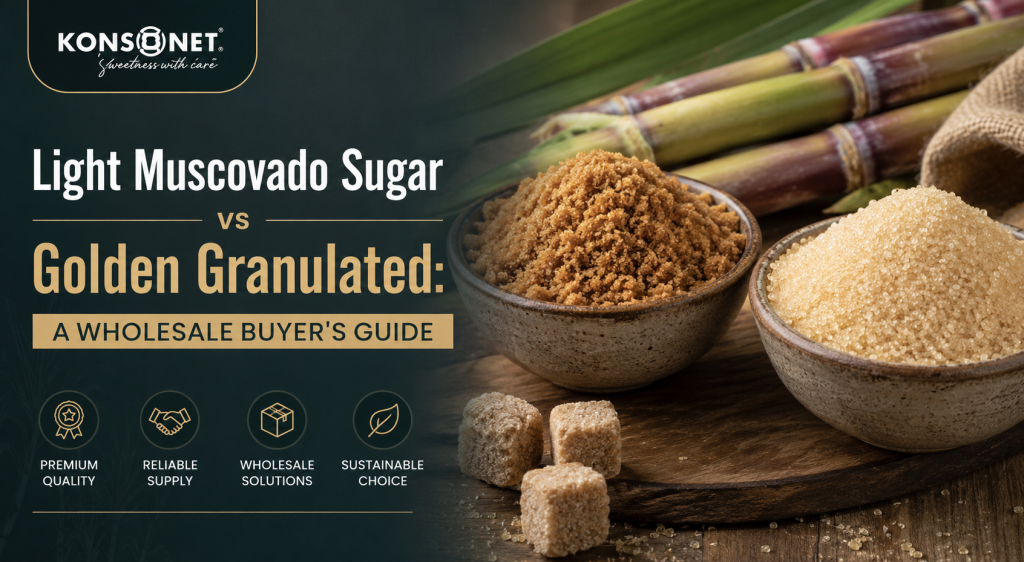
Light Muscovado Sugar vs Golden Granulated A Wholesale Buyer's Guide

Light Muscovado Sugar vs Golden Granulated: A Wholesale Buyer’s Guide

Choosing the right sugar for food manufacturing involves more than comparing sweetness or price. Moisture content, crystal size, colour, flavour and handling characteristics can all influence the final product and production efficiency. Two options that serve different purposes are light muscovado sugar and golden granulated sugar. Light muscovado sugar is a soft, moist cane sugar

Light Muscovado Sugar vs Golden Granulated: A Wholesale Buyer’s Guide Read More »

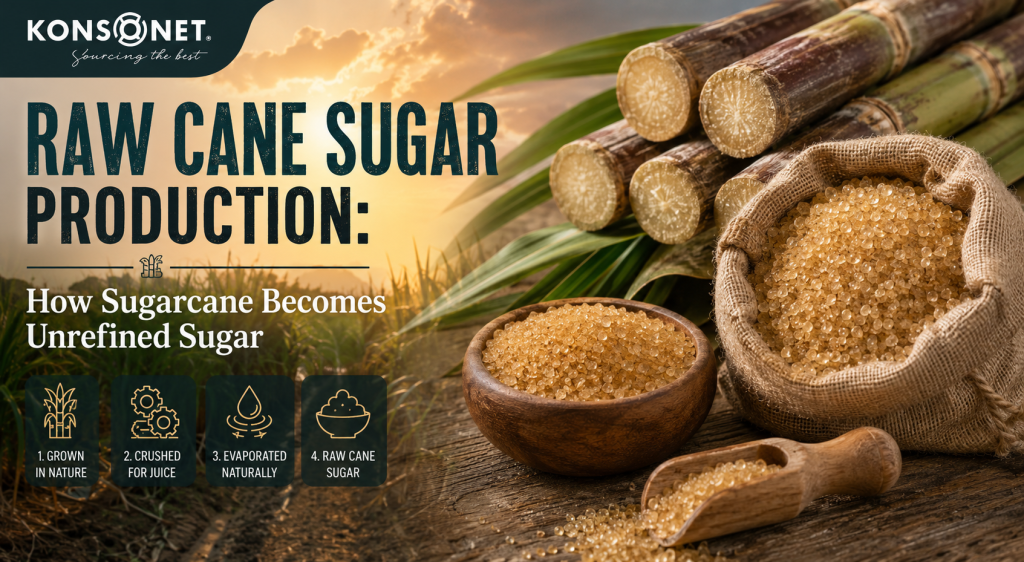
Raw Cane Sugar Production How Sugarcane Becomes Unrefined Sugar

Raw Cane Sugar Production: How Sugarcane Becomes Unrefined Sugar

Sugar production begins long before crystals reach food manufacturers, wholesalers or retail shelves. It starts in sugarcane fields, where mature stalks are harvested and transported to processing facilities. Through a carefully managed sequence of extraction, clarification, evaporation and crystallisation, the natural sucrose contained in sugarcane juice is converted into solid sugar crystals. Understanding how raw

Raw Cane Sugar Production: How Sugarcane Becomes Unrefined Sugar Read More »

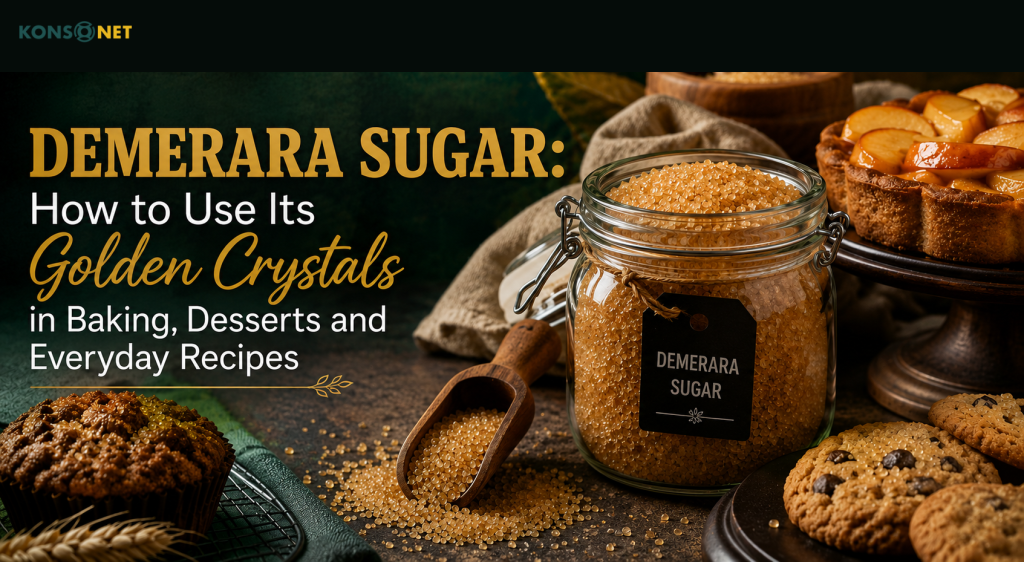
Demerara Sugar How to Use Its Golden Crystals in Baking, Desserts and Everyday Recipes

Demerara Sugar: How to Use Its Golden Crystals in Baking, Desserts and Everyday Recipes

Choosing the right type of sugar can make a noticeable difference to the flavour, texture and appearance of homemade and professionally prepared food. While white granulated sugar is commonly used for everyday sweetening, different varieties of cane sugar offer distinctive characteristics that can improve particular recipes. Demerara sugar is one such option, recognised for its

Demerara Sugar: How to Use Its Golden Crystals in Baking, Desserts and Everyday Recipes Read More »

How to Choose the Right Soya Lecithin Supplier for Your Business

How to Choose the Right Soya Lecithin Supplier for Your Business

📌 Key Takeaways Choose a lecithin grade according to your formulation, end use, and manufacturing process rather than price alone. Confirm whether GMO or non-GMO material is required and request supporting documentation. Compare technical specifications, including phospholipid content, viscosity, moisture, colour, and other application-relevant parameters. Request batch-specific certificates of analysis and establish clear quality and

How to Choose the Right Soya Lecithin Supplier for Your Business Read More »

Cocoa Butter Wholesale What Food Manufacturers Should Check Before Buying in Bulk

Cocoa Butter Wholesale: What Food Manufacturers Should Check Before Buying in Bulk

📌 Key Takeaways Choose the correct type: Natural cocoa butter retains more characteristic cocoa aroma, while deodorized cocoa butter has a reduced cocoa smell and is suitable for formulations requiring a more neutral flavour profile. Check the specifications: Review sensory characteristics, purity requirements, relevant analytical parameters, and batch-specific quality documentation before ordering. Calculate the complete

Cocoa Butter Wholesale: What Food Manufacturers Should Check Before Buying in Bulk Read More »

How to Choose Alkalized Cocoa Powder pH, Fat Content and Colour

How to Choose Alkalized Cocoa Powder: pH, Fat Content and Colour?

📌 Key Takeaways pH indicates the powder’s acidity or alkalinity and helps manufacturers assess flavour and formulation compatibility. Fat content affects richness, mouthfeel and the way cocoa powder behaves in different food systems. Colour should match the desired finished product, but a darker shade does not automatically mean better flavour or higher quality. Fineness, moisture,

How to Choose Alkalized Cocoa Powder: pH, Fat Content and Colour? Read More »

How to Choose Cocoa Beans for Chocolate Making Quality, Flavour and Processing

How to Choose Cocoa Beans for Chocolate Making: Quality, Flavour and Processing?

📌 Key Takeaways Start with your intended chocolate: Dark chocolate, milk chocolate and flavoured confectionery can require different cocoa flavour profiles. Check fermentation and drying: These stages influence bitterness, acidity, aroma and storage stability. Inspect representative samples: Look for mould, insect damage, foreign matter, inconsistent beans and unwanted odours. Test the actual processing performance: Roasting,

How to Choose Cocoa Beans for Chocolate Making: Quality, Flavour and Processing? Read More »

How to Choose the Right Cocoa Liquor Supplier for Your Business

 How to Choose the Right Cocoa Liquor Supplier for Your Business?

📌 Key Takeaways Define your product specifications and manufacturing requirements before requesting quotations. Review technical data, batch documentation, traceability, and relevant food safety information. Evaluate samples against your own formulation and production requirements before committing to large orders. Compare total delivered costs, including transportation, handling, storage, and order quantities. Check delivery capacity, communication practices, and

 How to Choose the Right Cocoa Liquor Supplier for Your Business? Read More »

How Cocoa Mass Is Used in Chocolate Manufacturing

How Cocoa Mass Is Used in Chocolate Manufacturing?

📌 Key Takeaways Cocoa mass provides the primary cocoa flavour, colour and natural fat in many chocolate formulations. Its proportion in a recipe influences chocolate intensity, bitterness and the balance between cocoa ingredients and other components. Mixing, refining, conching and tempering serve different purposes in developing chocolate texture, flavour and stability. Manufacturers should assess cocoa

How Cocoa Mass Is Used in Chocolate Manufacturing? Read More »