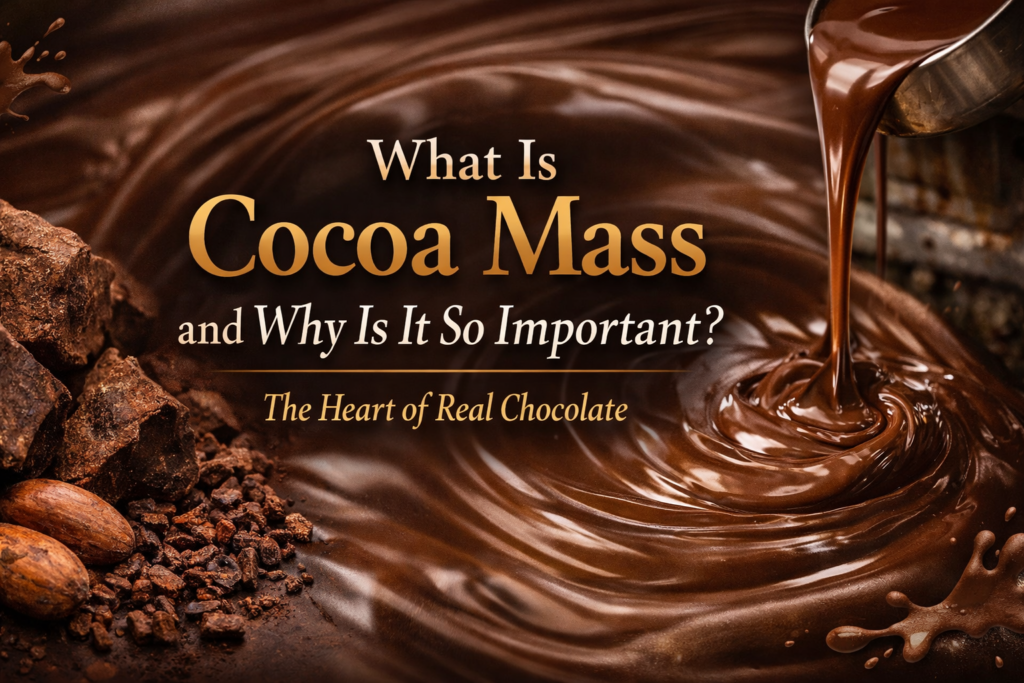
In the world of chocolate production, cocoa mass plays a foundational role that determines flavor, texture, and overall product quality. For brands like Konsonetas, understanding and sourcing premium cocoa mass is essential to delivering consistent excellence. Cocoa mass, also known as cocoa liquor, is created by grinding roasted cocoa beans into a smooth, thick paste that contains both cocoa solids and cocoa butter in their natural proportions. This ingredient is the backbone of all chocolate varieties, whether dark, milk, or white. Without cocoa mass, chocolate as we know it simply would not exist, making it one of the most critical components in confectionery manufacturing worldwide.
Understanding Cocoa Mass at Its Core
Cocoa mass is produced after cocoa beans undergo fermentation, drying, roasting, and shell removal. The inner part, called the nib, is ground into a liquid form due to its natural fat content. Despite the name, cocoa liquor contains no alcohol. Instead, it refers to the fluid state achieved during grinding. This paste can then be separated into cocoa butter and cocoa powder, or used directly in chocolate production. The purity of cocoa mass significantly impacts chocolate flavor intensity, aroma complexity, and mouthfeel, making high quality sourcing a priority for manufacturers aiming to produce premium products that stand out in competitive markets.
Why Cocoa Mass Is the Heart of Chocolate
The importance of cocoa mass lies in its complete representation of the cocoa bean. It contains flavor compounds, fats, antioxidants, and nutrients that define chocolate’s sensory experience. When chocolate makers adjust recipes, they often manipulate the ratio of cocoa mass, sugar, milk solids, and additional cocoa butter to achieve desired taste profiles. A higher cocoa mass percentage typically results in richer flavor and darker chocolate varieties. Consumers increasingly prefer products with higher cocoa content because they associate them with authenticity, health benefits, and premium quality. Therefore, cocoa mass directly influences both product positioning and consumer perception in the marketplace.
The Role of Cocoa Mass in Flavor Development
Flavor complexity in chocolate begins with the origin of the cocoa beans and continues through processing. Cocoa mass carries notes that may include fruity, nutty, earthy, or floral tones depending on the bean variety and fermentation conditions. Skilled manufacturers carefully roast beans to enhance desirable characteristics while minimizing bitterness. The grinding process also affects particle size, which influences smoothness and taste release. When cocoa mass is refined and conched during chocolate making, volatile compounds develop further, creating the signature aroma associated with fine chocolate. This transformation demonstrates why cocoa mass quality cannot be compromised without affecting the final product experience.
Nutritional and Functional Benefits
Beyond flavor, cocoa mass contains natural antioxidants such as flavonoids, which are linked to potential cardiovascular benefits. It also provides minerals including magnesium, iron, and potassium. While chocolate products often include sugar and fats that alter nutritional value, the cocoa mass component itself contributes beneficial compounds. Functionally, cocoa butter within the mass provides the melting characteristics that allow chocolate to remain solid at room temperature yet melt smoothly in the mouth. This unique property enhances sensory pleasure and consumer satisfaction. Manufacturers depend on consistent cocoa butter content within cocoa mass to maintain texture standards across production batches.
Industrial Applications Beyond Chocolate Bars
Although commonly associated with chocolate bars, cocoa mass is used in numerous food applications. Bakeries incorporate it into cakes, brownies, and fillings to intensify chocolate flavor. Ice cream producers rely on cocoa mass for rich inclusions and coatings. Beverage companies use it in hot chocolate mixes and specialty drinks. In gourmet cuisine, chefs incorporate cocoa mass into sauces and savory dishes for depth and complexity. The versatility of cocoa mass allows food innovators to experiment with new textures and flavor combinations, expanding its relevance beyond traditional confectionery into broader culinary industries that value authentic chocolate taste.
Quality Factors That Determine Premium Cocoa Mass
Several factors influence cocoa mass quality, including bean origin, fermentation practices, roasting temperature, and grinding technology. Single origin cocoa mass often commands higher value due to unique flavor characteristics tied to specific regions. Ethical sourcing and sustainable farming practices also play growing roles in purchasing decisions as consumers become more socially conscious. Manufacturers prioritize traceability to ensure consistent supply chains and compliance with international standards. Proper storage conditions are equally important because cocoa mass can absorb odors or degrade if exposed to moisture and temperature fluctuations. Maintaining quality throughout logistics ensures optimal performance during chocolate production.
Market Trends and Consumer Expectations
Modern consumers are more informed than ever about chocolate ingredients. Labels displaying cocoa percentage have become key purchasing factors, especially in premium and artisanal segments. Demand for dark chocolate with higher cocoa mass content continues to rise due to perceived health benefits and sophisticated taste preferences. Additionally, clean label movements encourage manufacturers to use fewer additives and rely on high quality cocoa mass for natural flavor intensity. Sustainability certifications and ethical sourcing transparency further influence buying behavior. As a result, cocoa mass has evolved from a technical ingredient into a marketing advantage that brands leverage to build trust and differentiation.
The Economic Importance of Cocoa Mass
Globally, cocoa mass represents a significant portion of the chocolate supply chain economy. Cocoa producing countries depend heavily on bean exports, while processing companies create value by transforming raw beans into cocoa mass and related products. Price fluctuations in cocoa markets directly affect manufacturing costs and retail prices. Companies that secure reliable cocoa mass suppliers gain strategic advantages through stable production planning and consistent quality control. Investments in processing technology also improve yield efficiency and flavor retention. This economic ecosystem highlights how cocoa mass connects agriculture, manufacturing, and consumer markets in a complex yet interdependent industry structure.
Choosing the Right Cocoa Mass Supplier
Selecting the right cocoa mass supplier requires evaluating quality certifications, origin transparency, processing standards, and reliability. Manufacturers often conduct sensory testing and laboratory analysis before approving suppliers. Consistency is crucial because even small variations in cocoa mass composition can alter final product taste and texture. Strong supplier partnerships support innovation by providing customized cocoa profiles tailored to brand requirements. Companies that prioritize long term collaboration often achieve better product development outcomes and supply stability. Ultimately, the right cocoa mass source contributes directly to brand reputation, customer satisfaction, and competitive advantage in the chocolate industry.
Future Outlook of Cocoa Mass in the Food Industry
The future of cocoa mass is closely tied to sustainability, innovation, and consumer education. Advances in fermentation science and roasting technology are enabling producers to unlock new flavor potentials while maintaining consistent quality. Companies like Konsonetas are increasingly focusing on premium sourcing, ethical supply chains, and transparent production practices to meet evolving market expectations. Alternative sweeteners and plant based dairy options are also expanding chocolate applications while keeping cocoa mass as the central ingredient. As consumers continue seeking authentic and high quality experiences, brands that invest in superior cocoa mass and responsible sourcing will gain stronger trust and long term loyalty. This ongoing evolution ensures cocoa mass will remain indispensable in shaping the future of chocolate and related food industries.
FAQs
1. What is cocoa mass made from?
Cocoa mass is made from roasted cocoa bean nibs that are ground into a paste. It contains both cocoa solids and cocoa butter in natural proportions, making it the primary ingredient used to create all types of chocolate products.
2. Is cocoa mass the same as dark chocolate?
No, cocoa mass is a raw ingredient, while dark chocolate is a finished product. Dark chocolate includes cocoa mass along with sugar and sometimes additional cocoa butter, depending on the recipe and desired cocoa percentage.
3. Why is cocoa mass important in chocolate making?
Cocoa mass provides the core chocolate flavor, aroma, color, and texture. Without it, chocolate would not have its characteristic taste or melting properties. It determines the richness and quality level of the final product consumers experience.
4. Does cocoa mass contain sugar or milk?
Pure cocoa mass does not contain sugar or milk. It is made only from cocoa beans. Sugar and milk solids are added later during chocolate manufacturing to create different chocolate varieties such as milk or sweetened chocolate.
5. Is cocoa mass healthy?
Cocoa mass contains antioxidants, minerals, and natural compounds that may support heart health when consumed in moderation. However, the health impact depends on the final chocolate product since added sugar and fats can influence nutritional value significantly.
6. How is cocoa mass stored?
Cocoa mass should be stored in a cool, dry environment away from strong odors and moisture. Proper storage prevents flavor contamination and maintains quality, ensuring it performs consistently during chocolate production and food manufacturing processes.
7. Can cocoa mass be used outside confectionery?
Yes, cocoa mass is used in baking, beverages, desserts, and even savory dishes. Chefs and food manufacturers value it for its intense chocolate flavor and versatility, allowing creative culinary applications beyond traditional chocolate bars and candies.