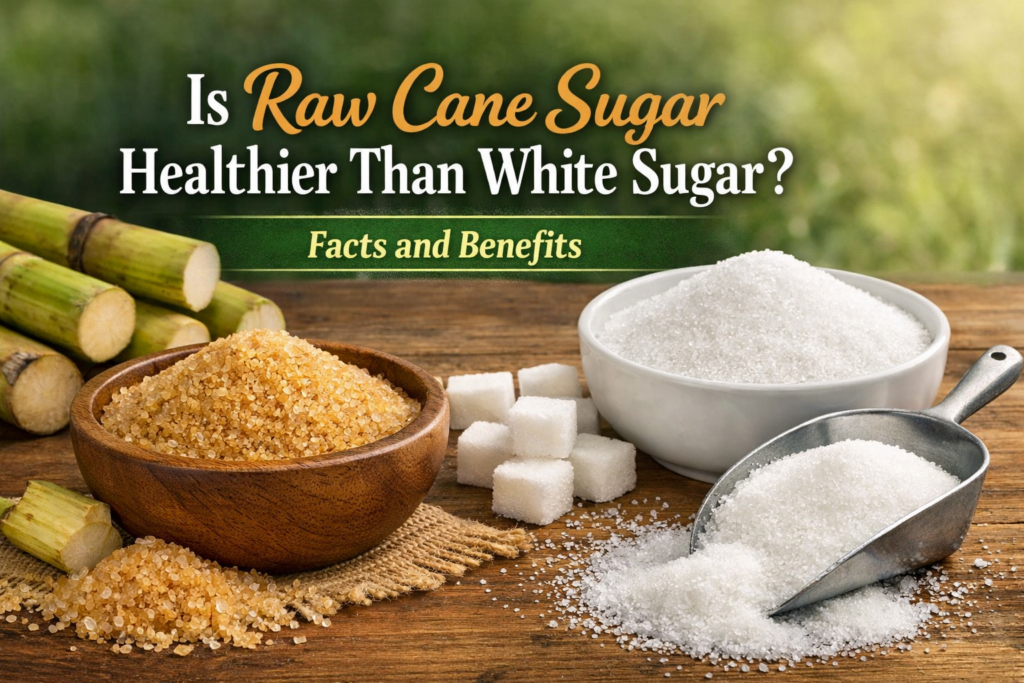
Sugar is one of the most commonly used ingredients in kitchens around the world. From sweetening coffee to baking desserts, sugar plays a central role in many recipes. However, as people become more health conscious, many are questioning whether traditional white sugar is the best option. One popular alternative that often sparks debate is raw cane sugar.
Many consumers assume that raw cane sugar is healthier because it is less processed and retains some natural components from sugarcane. But is this assumption true? Does raw cane sugar actually provide meaningful health benefits compared to white sugar?
In this detailed guide, we will explore the differences between raw cane sugar and white sugar, examine their nutritional profiles, and explain whether raw cane sugar is truly a healthier option. If you are looking for high quality natural sweeteners, companies like Konsonetas offer carefully sourced sugar products that meet modern food standards. You can also explore their offerings on their official website konsonet.eu.
Understanding Raw Cane Sugar
Raw cane sugar is produced from sugarcane juice that has been partially processed. After the sugarcane juice is extracted, it is heated and crystallized to form sugar crystals. Unlike refined white sugar, raw cane sugar undergoes fewer purification steps.
Because it is less refined, raw cane sugar retains a small amount of molasses. This gives it a slightly golden color and a mild caramel-like flavor. The crystals are usually larger and coarser compared to regular white sugar.
This minimal processing is the main reason many consumers consider raw cane sugar to be a more natural sweetener.
What Is White Sugar?
White sugar, also known as refined sugar or table sugar, is made from sugarcane or sugar beets through an extensive refining process. During this process, impurities and molasses are removed through filtration, centrifugation, and crystallization.
The final product is almost pure sucrose with a clean white appearance and neutral taste. White sugar is widely used in cooking and baking because it dissolves easily and delivers consistent sweetness.
However, the refining process also removes most naturally occurring minerals from the sugar, leaving behind nearly pure carbohydrates.
Raw Cane Sugar vs White Sugar: Key Differences
Although both types of sugar originate from the same source, their processing methods create several noticeable differences.
1. Processing Level
Raw cane sugar is minimally processed. It retains some natural molasses from the sugarcane juice.
White sugar undergoes extensive refining to remove molasses, color, and impurities. The result is a highly purified product.
2. Color and Texture
Raw cane sugar has a light brown or golden color and larger crystals.
White sugar is bright white and has smaller, finer crystals that dissolve quickly.
3. Flavor Profile
Raw cane sugar has a subtle caramel flavor due to molasses content.
White sugar has a neutral sweetness without additional flavor.
4. Nutritional Composition
Both sugars are primarily composed of sucrose. White sugar contains about 99.9 percent sucrose, while raw cane sugar contains roughly 96 to 99 percent sucrose.
In practical terms, their nutritional differences are extremely small.
Nutritional Comparison: Raw Cane Sugar vs White Sugar
To understand whether raw cane sugar is healthier, it helps to compare their nutritional values.
Calories
Both sugars provide almost identical calories.
One teaspoon of either sugar contains about 16 calories because both are carbohydrates that provide about 4 calories per gram.
Mineral Content
Raw cane sugar retains tiny amounts of minerals such as calcium, potassium, and iron due to its molasses content.
However, the amounts are extremely small and do not significantly contribute to daily nutrient intake.
For example, to obtain the same potassium found in one banana, you would need to consume hundreds of grams of raw sugar, which would also mean consuming excessive calories.
Vitamins
Neither raw cane sugar nor white sugar provides meaningful amounts of vitamins.
Glycemic Index
The glycemic index of both sugars is very similar, typically around 60 to 65.
This means both types of sugar can cause similar spikes in blood sugar levels when consumed.
Is Raw Cane Sugar Actually Healthier?
The short answer is not significantly.
While raw cane sugar contains slightly more minerals because of its molasses content, the amounts are too small to have real health benefits. Nutritionally, both sugars are almost identical and provide similar calories and carbohydrates.
Therefore, replacing white sugar with raw cane sugar will not dramatically improve your diet.
The biggest difference lies in flavor, appearance, and processing method rather than nutritional value.
Potential Benefits of Raw Cane Sugar
Although it is not dramatically healthier, raw cane sugar does offer a few minor advantages that appeal to many consumers.
1. Less Processing
Raw cane sugar undergoes fewer refining steps. Many people prefer less processed foods as part of a more natural lifestyle.
2. Trace Minerals
Because some molasses remains, raw cane sugar contains trace minerals like calcium and potassium.
While these amounts are small, they are still slightly higher than those found in refined white sugar.
3. Richer Flavor
Raw cane sugar offers a mild caramel taste that enhances certain foods and beverages.
This flavor can add depth to coffee, baked goods, and desserts.
4. Natural Appeal
Many consumers choose raw cane sugar because it feels closer to its original plant source.
Brands such as Konsonetas focus on supplying quality sugar products that meet the expectations of consumers seeking natural ingredients.
Health Considerations When Consuming Sugar
Regardless of whether you choose raw cane sugar or white sugar, moderation is key.
Excess sugar consumption has been linked to several health concerns, including:
• Weight gain
• Increased risk of type 2 diabetes
• Heart disease
• Tooth decay
Nutrition experts recommend limiting added sugar intake to about 25 to 36 grams per day for adults on a typical 2000 calorie diet.
Both raw cane sugar and white sugar count as added sugars, meaning they should be consumed in controlled amounts.
When Should You Use Raw Cane Sugar?
Raw cane sugar is often preferred in certain culinary situations.
Coffee and Tea
Its mild molasses flavor can add complexity to beverages.
Baking
Raw sugar crystals can create a crunchy topping on cookies, muffins, and pastries.
Gourmet Recipes
Some chefs prefer raw cane sugar for specialty desserts where flavor depth matters.
However, for recipes requiring precise sweetness and smooth texture, white sugar may still be the better choice.
Choosing Quality Sugar Products
When selecting sugar for home or commercial use, quality and sourcing matter.
Companies like Konsonetas specialize in supplying carefully produced sugar ingredients for food manufacturers, bakeries, and culinary professionals. Their commitment to quality ensures that businesses and consumers receive reliable products that meet modern food standards.
If you want to learn more about premium sugar ingredients or explore different sugar varieties, visit their official website at konsonet.eu.
Conclusion
Raw cane sugar and white sugar may look different, but nutritionally they are remarkably similar. Both are primarily composed of sucrose and provide nearly identical calories and glycemic effects.
Raw cane sugar retains small amounts of molasses, which gives it trace minerals and a slightly richer flavor. However, these differences are not significant enough to make it a substantially healthier option.
The most important factor for health is not choosing one sugar over another but limiting overall sugar consumption. Whether you prefer raw cane sugar for its natural appeal or white sugar for its versatility, moderation remains the key to maintaining a balanced diet.
For individuals and businesses seeking high quality sugar products, Konsonetas provides reliable ingredients that support modern culinary needs while maintaining consistent quality standards.
FAQs
1. Is raw cane sugar better for you than white sugar?
Raw cane sugar contains trace minerals from molasses, but the amounts are very small. Nutritionally, both sugars are almost identical and should be consumed in moderation.
2. Does raw cane sugar have fewer calories than white sugar?
No. Both raw cane sugar and white sugar contain about the same calories because they are primarily made of sucrose.
3. Does raw cane sugar raise blood sugar levels less than white sugar?
Both sugars have a similar glycemic index, meaning they can raise blood sugar levels at a comparable rate.
4. Why do some people prefer raw cane sugar?
Many people prefer raw cane sugar because it is less processed and has a mild caramel flavor due to its molasses content.
5. Is raw cane sugar more natural?
Raw cane sugar is considered less refined because it retains some natural molasses, which gives it a slightly more natural appearance.
6. Can raw cane sugar replace white sugar in recipes?
Yes, raw cane sugar can replace white sugar in many recipes. However, its larger crystals and subtle flavor may slightly affect texture and taste.
7. Which sugar is best for baking?
White sugar is often preferred for baking because it dissolves easily and provides consistent results.
8. Where can I find high quality cane sugar products?
Trusted suppliers like Konsonetas offer quality sugar ingredients for food businesses and consumers. More details are available on their website konsonet.eu.